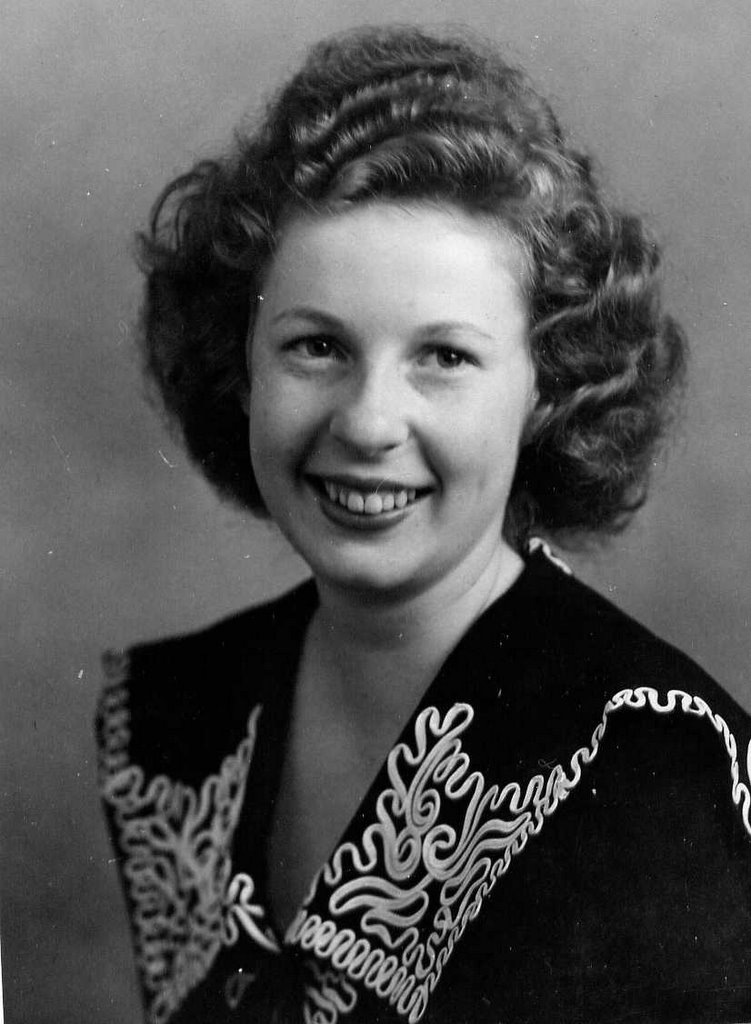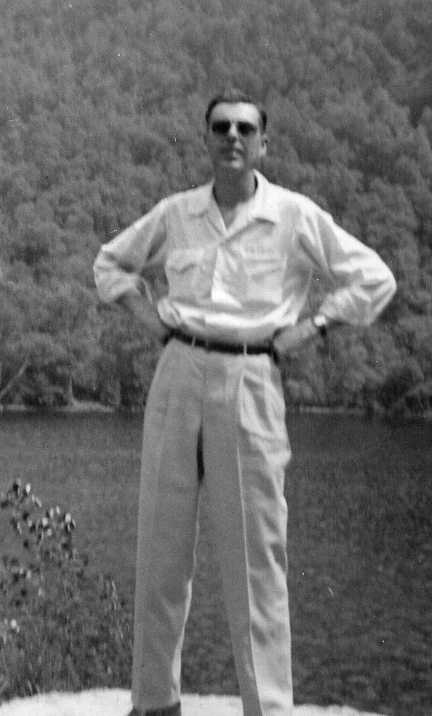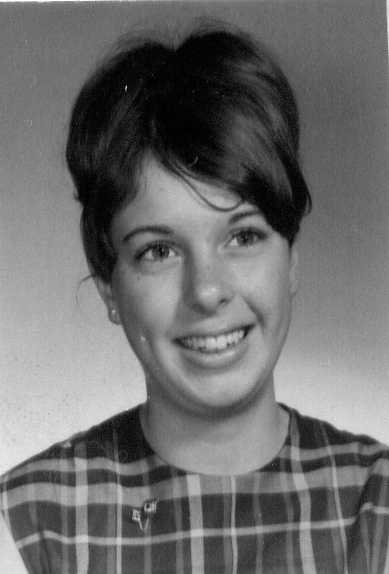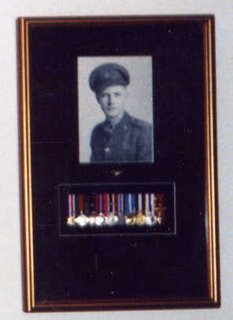
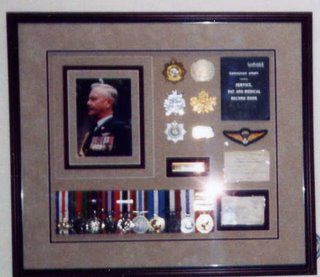
JIM KNOX:
MILITARY SERVICE RECORD 1937-1982
.
This is a summary of a detailed document written by Jim.
.
Jim attempted to enlist in the Finnish army in 1938 when he was 16 years of age, but he was refused. He tried again with the Rainbow Division in 1938, but they wouldn’t have him and that ended his career in the Spanish Civil War before it started.
.
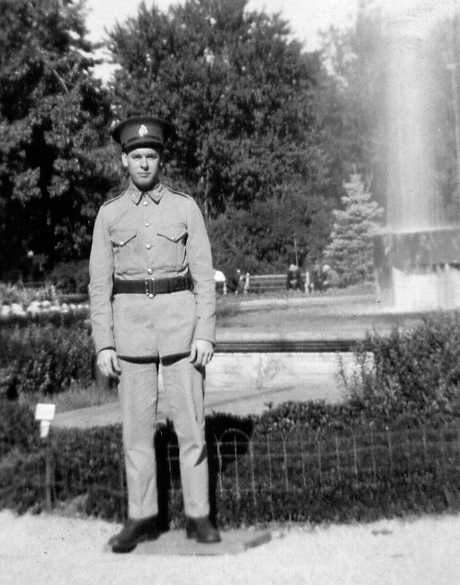
However, his determination to join the army succeeded when he joined the Midland Regiment Militia at 16 and attended summer camp. In the summer of 1939, the Midland Regiment was ordered to Trenton to guard the airfield. As Jim says, "It was great fun for a 17-year-old fanatic." His mother forced him back to school in Bowmanville in September, but he avoided school by enlisting in the regiment when it was mobilized to active service because of the war.
.
At a posting to Edmonton in 1942, volunteers were required for a secret mission out of the country, for which Jim volunteered naturally –along with everyone else. His name was not drawn from the hat, luckily it turned out, since 100 soldiers were dispatched to Hong Kong to protect the British colony and all 100 were killed or captured by the Japanese.
.
Finally in 1942 Jim boarded the troop ship Andes in Halifax on his way to join the SDG Highlanders in England. Among the thousands of troops on board he met his German teacher from Bowmanville High School. He and his buddies were transported by train from Liverpool to Crookam Crossroads, a one-pub village. During the intensive training that followed, Jim noticed that soldiers running with huge heavy packs and sweating like mad. He also observed one group around a large weapon that required a motorized universal carrier to transport it. It was at that point that Jim decided to become a mortar man.
.
He was returned to Brockville in Canada for officer training and headed back over on the Ile de France in 1944 as a first lieutenant, a better trip by far than his first one.
He fought in Belgium as a mortar officer and had some scary moments, but the war ended in 1945 as the regiment crossed the Ems River to Evidon in Germany. They moved back to Holland to guarantee that the Germans returned to Germany without incident.
.
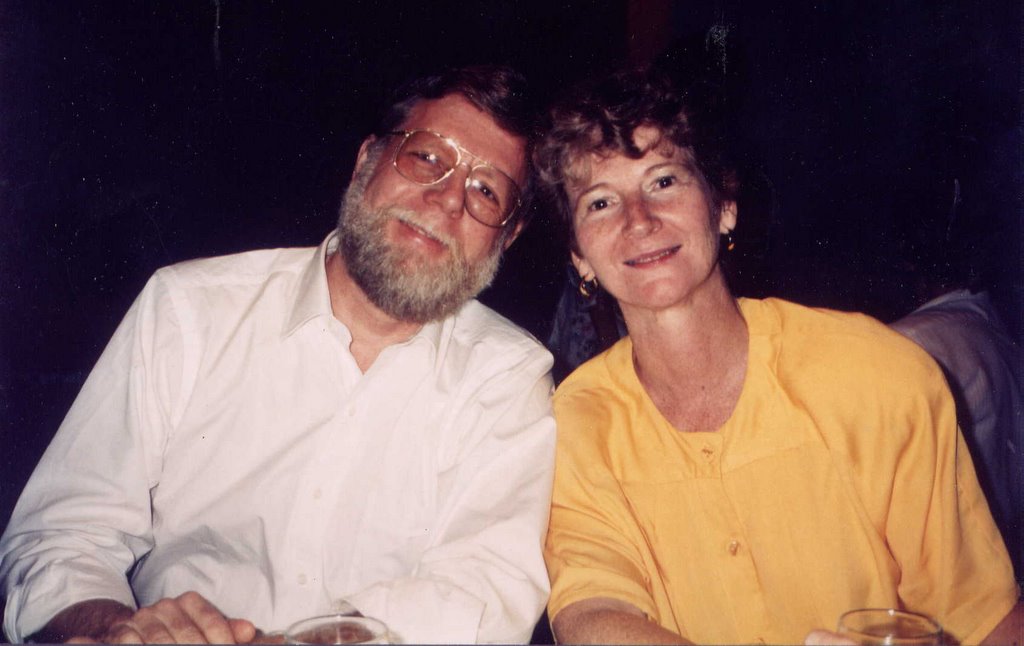
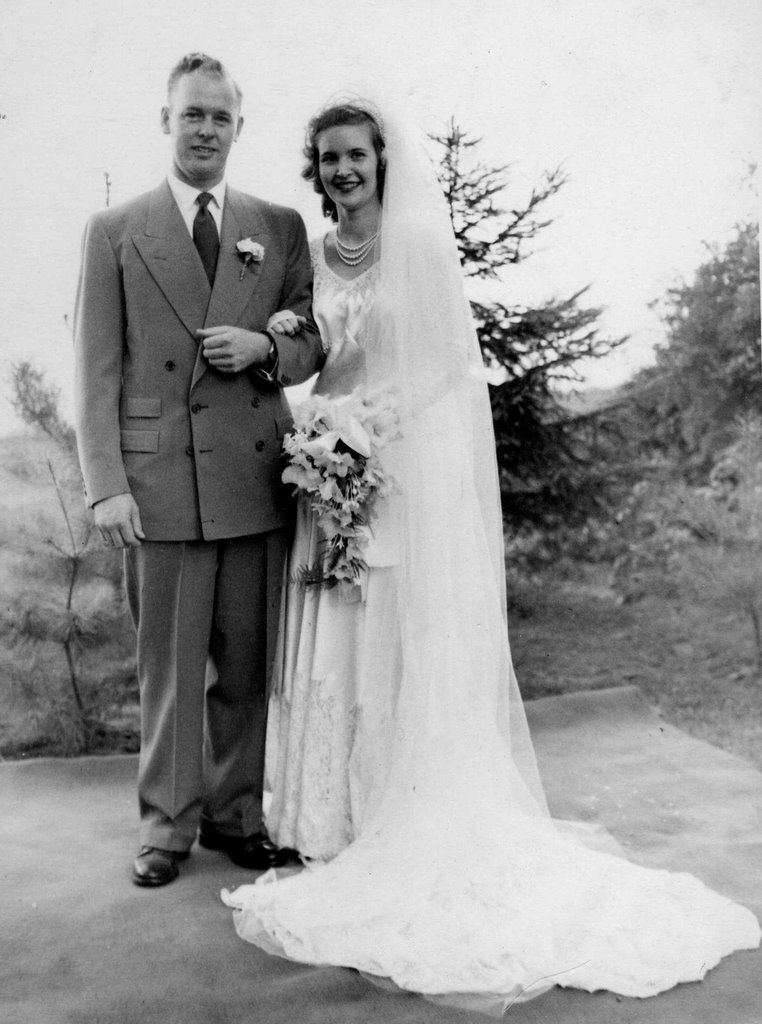
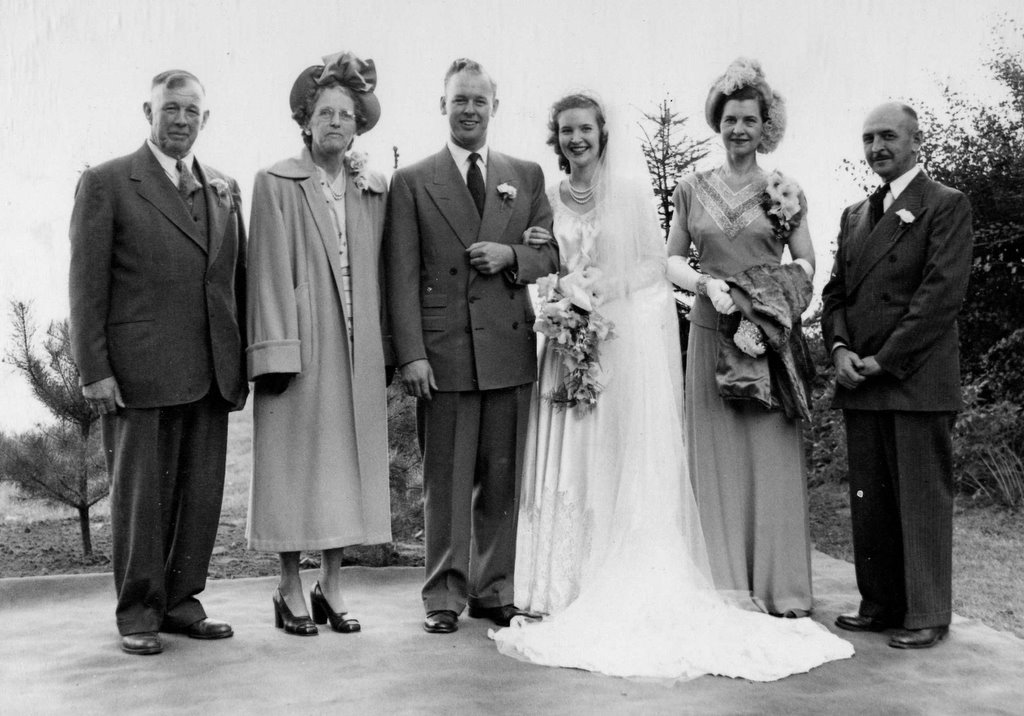
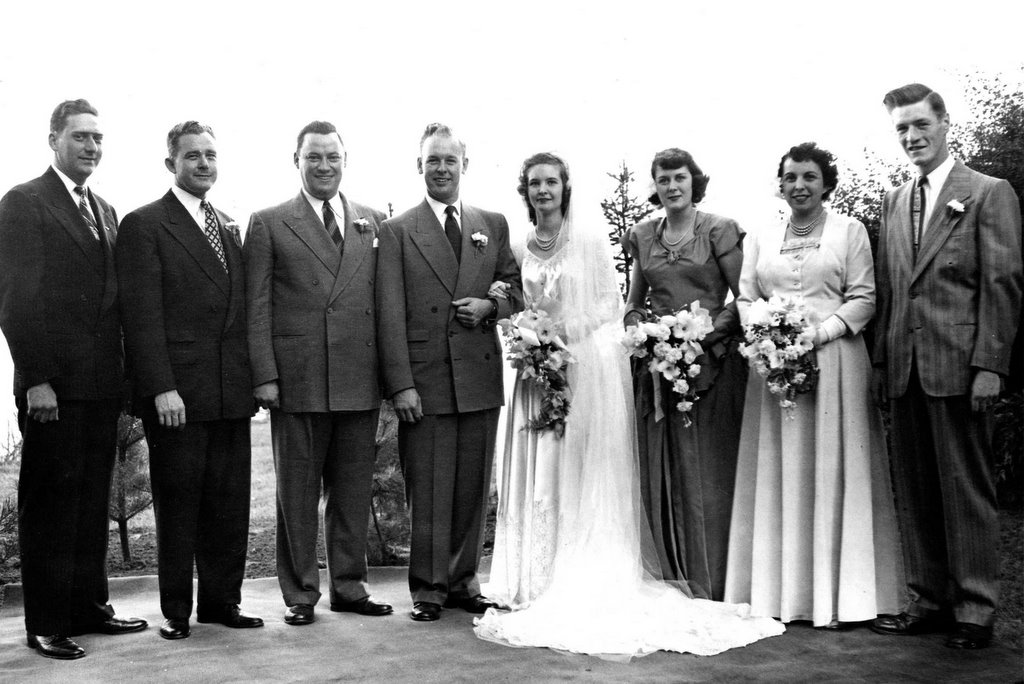
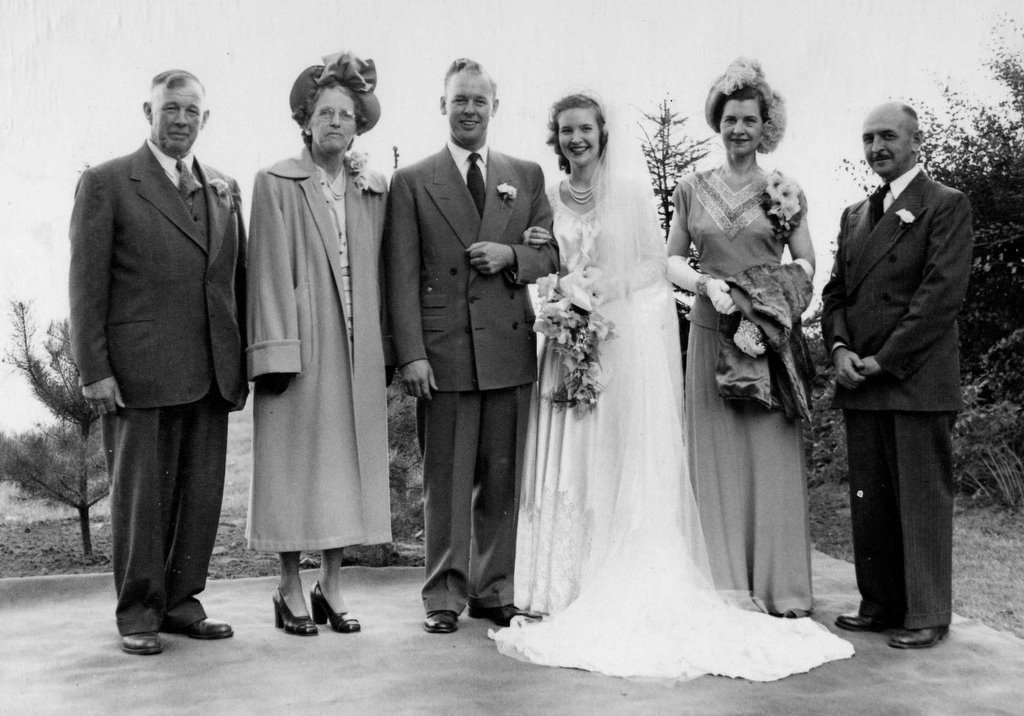
After returning to Canada, Jim was posted to Brockville where destiny brought him and Madeline together. They were married on October 19,1946 in St. Andrews Presbyterian Church in Spencerville with the reception at Madeline’s parents’ home in Groveton.
.
After leaving the armed forces, Jim went back to school and finished his high school. Jim worked at a few jobs, but re-enlisted in July 1947 joining the RCR as a Sergeant. He earned his private pilot’s licence and later took paratroop training in Rivers, Manitoba just about the time Doug was born in 1948. He was promoted in the next few years to lieutenant and then to Captain in Camp Borden. During this period Madeline and he had another son, Barrie.
.
Then began a series of overseas postings, first to Viet Nam on the International Commission for Supervision and Control to ensure an orderly withdrawal of the French, who had been defeated at Dien Bien Phu, to the safety of South Viet Nam.
.
After the stint in Viet Nam, Jim was posted to the RCR in London, Ontario, followed by a year at Staff College in Kingston where he became a Major. Richard (Richie) Robert was born in Kingston in March, 1958.
.
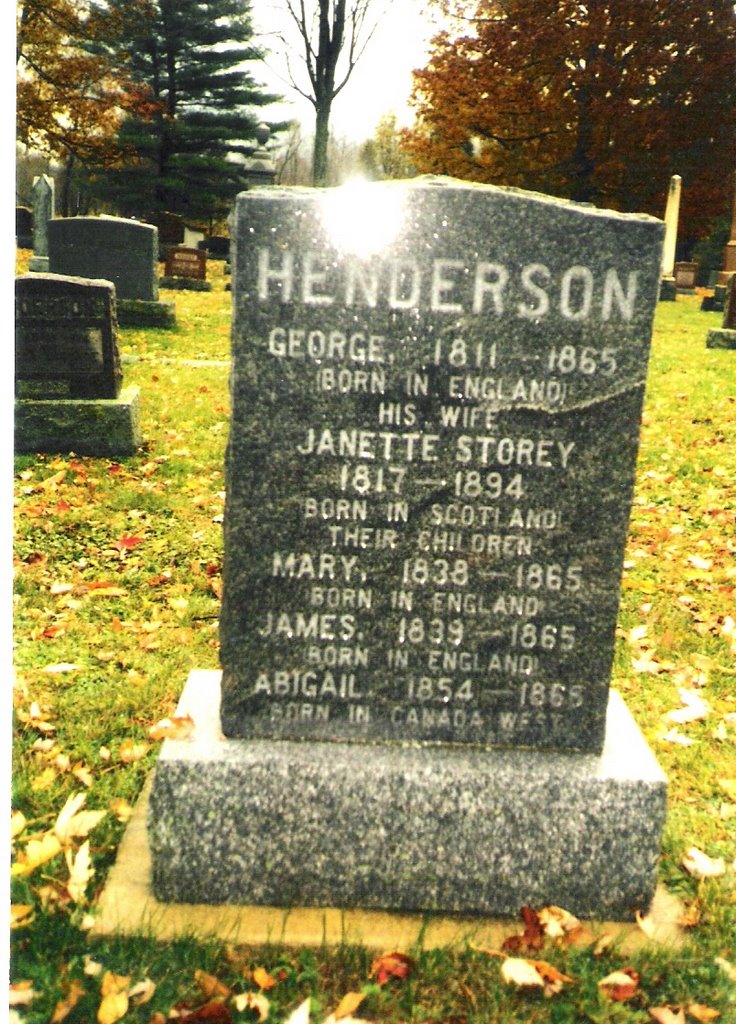
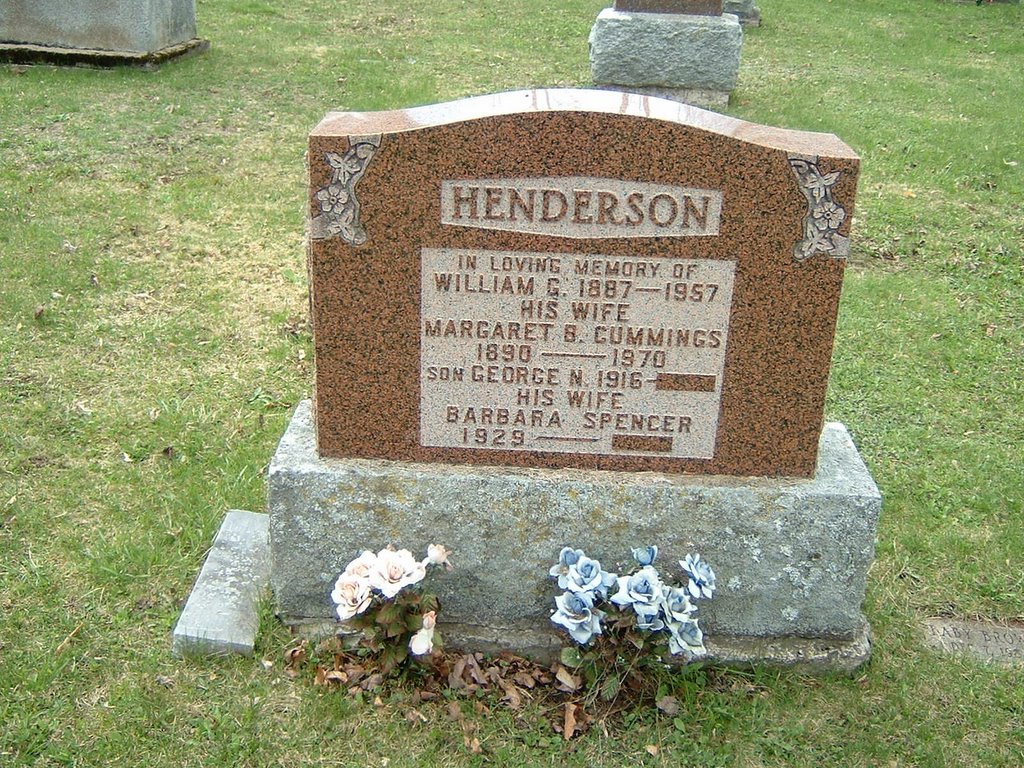
In 1962, Jim was posted with the RCR regiment to Soest in Germany. During their stay in Germany, Jim and Madeline took the three kids to all parts of Europe –Sweden, Denmark, Holland, Belgium, Luxembourg, France, Austria, Switzerland and Yugoslavia. Most of the time they camped using a small tent trailer. While in France, Jim and Madeline visited the grave of her uncle, Newton Henderson, killed at 19 during the First World War.
.
While they were in Soest, Michael was born in September 1963. After three great years, they returned to Canada to a desk job in Ottawa, which Jim hated. He was posted back to London, Ontario so he could accompany a peace-keeping delegation to Cyprus to stand between the Greeks and the Turks. After six months, Jim returned to Ottawa in 1967 and immediately applied for overseas posting with family to Ghana, West Africa. Is there a pattern here?
.
In 1968, the family, without Doug who stayed in Canada to complete his high school education, arrived in Accra. Jim’s job was with the Defence Ministry to help procure equipment for the army and to instruct in the Ghana officers’ school.
.
During leave in 1970, they returned to Kemptville where they had bought a large house. Our mother lived on one floor of the house. After another year in Ghana, they returned to Canada on a cargo ship where they were treated very well indeed.
.
Jim retired from the armed forces at 49 in 1971 and lived in Kemptville, spending his time fixing up two more houses for sale. It looked as if that was to be his life. Well, no.
.
In 1972, he was offered a job as Deputy Commanding Officer at Camp Ipperwash where cadets from all over Ontario attended camp. He was promoted to Lieutenant Colonel in 1973 and became Camp Commander.
.
From 1974 to 1982, Jim was Aide de Camp to the Lieutenant Governor of Ontario, Pauline McGibbon.
.
At age 60, Jim finally retired from the army to live first in Kemptville and then in a high rise apartment in Ottawa.
.
Jim concludes his memoir: "It was a good life for me and hopefully everyone of us benefited from the travel and friendships.
.
"I would be remiss if I failed to mention how proud I am of my four sons. They have never caused me or Madeline a problem.
.
"I can’t say enough about Madeline, so I shall not try, except to say that she is the best thing that happened to me."
.
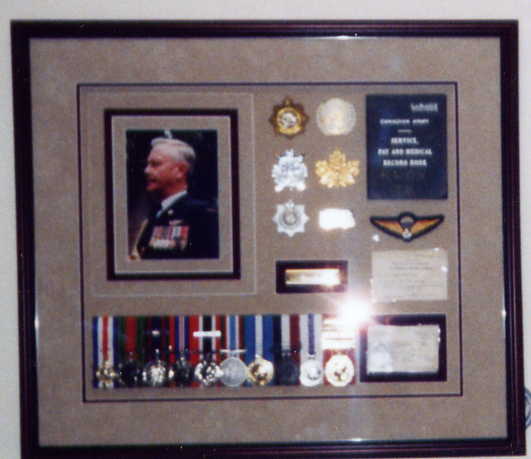
Jim was awarded a peacekeepers medal posthumously, which was accepted by Madeline from the Governor General in Ottawa, and it was added to his row of medals and bars.